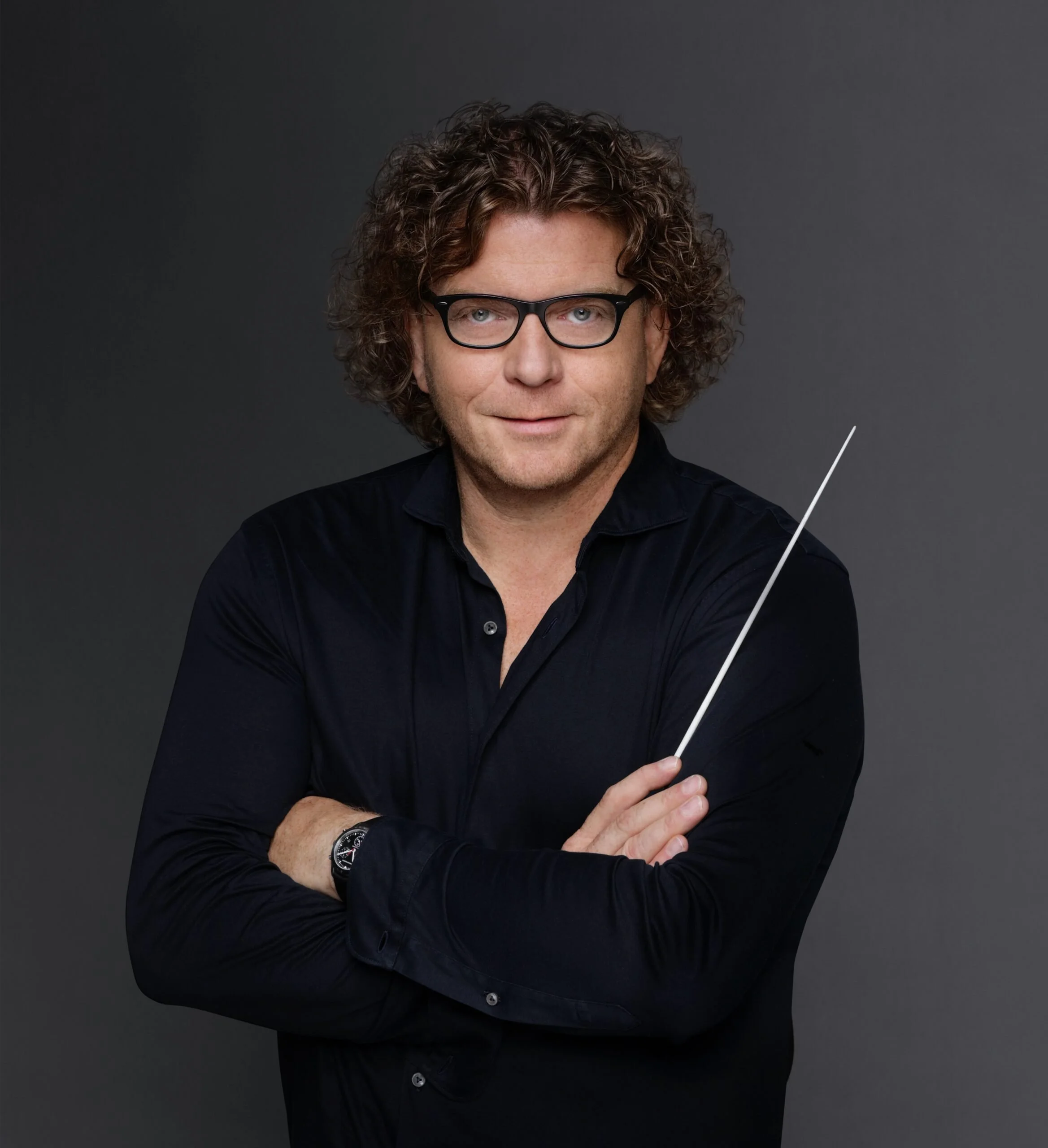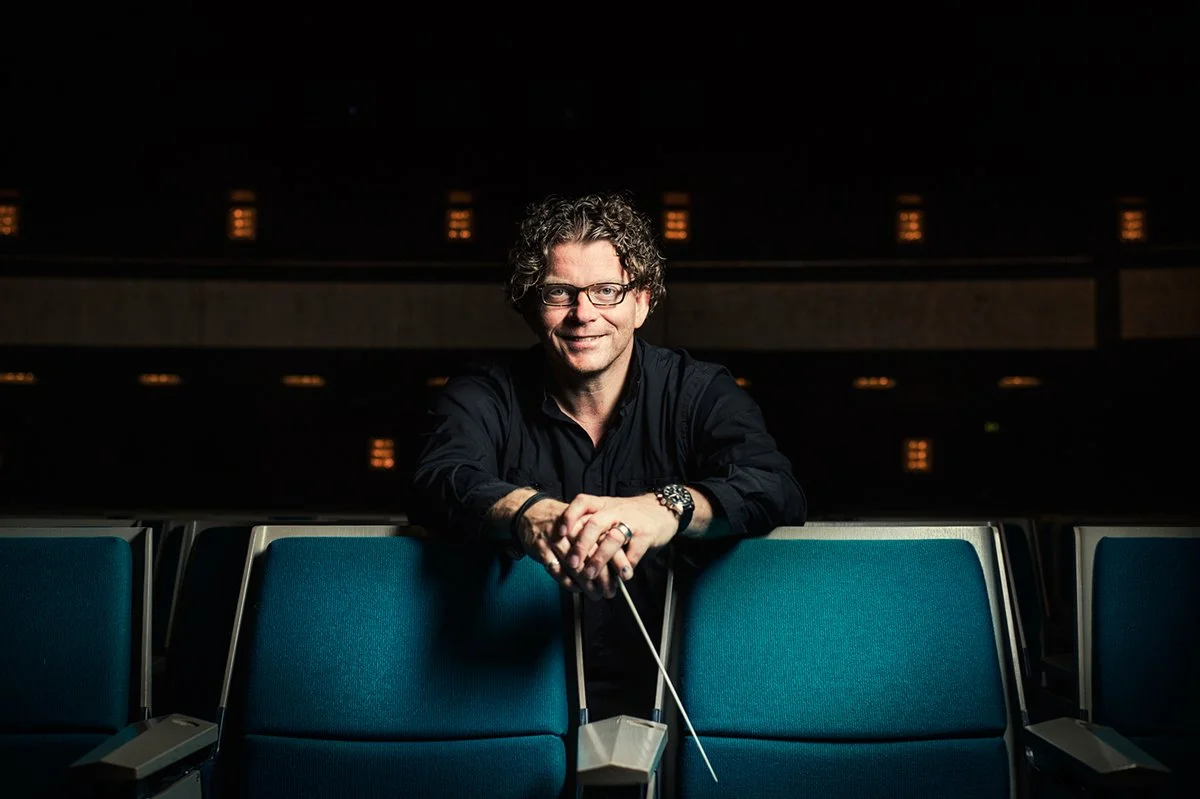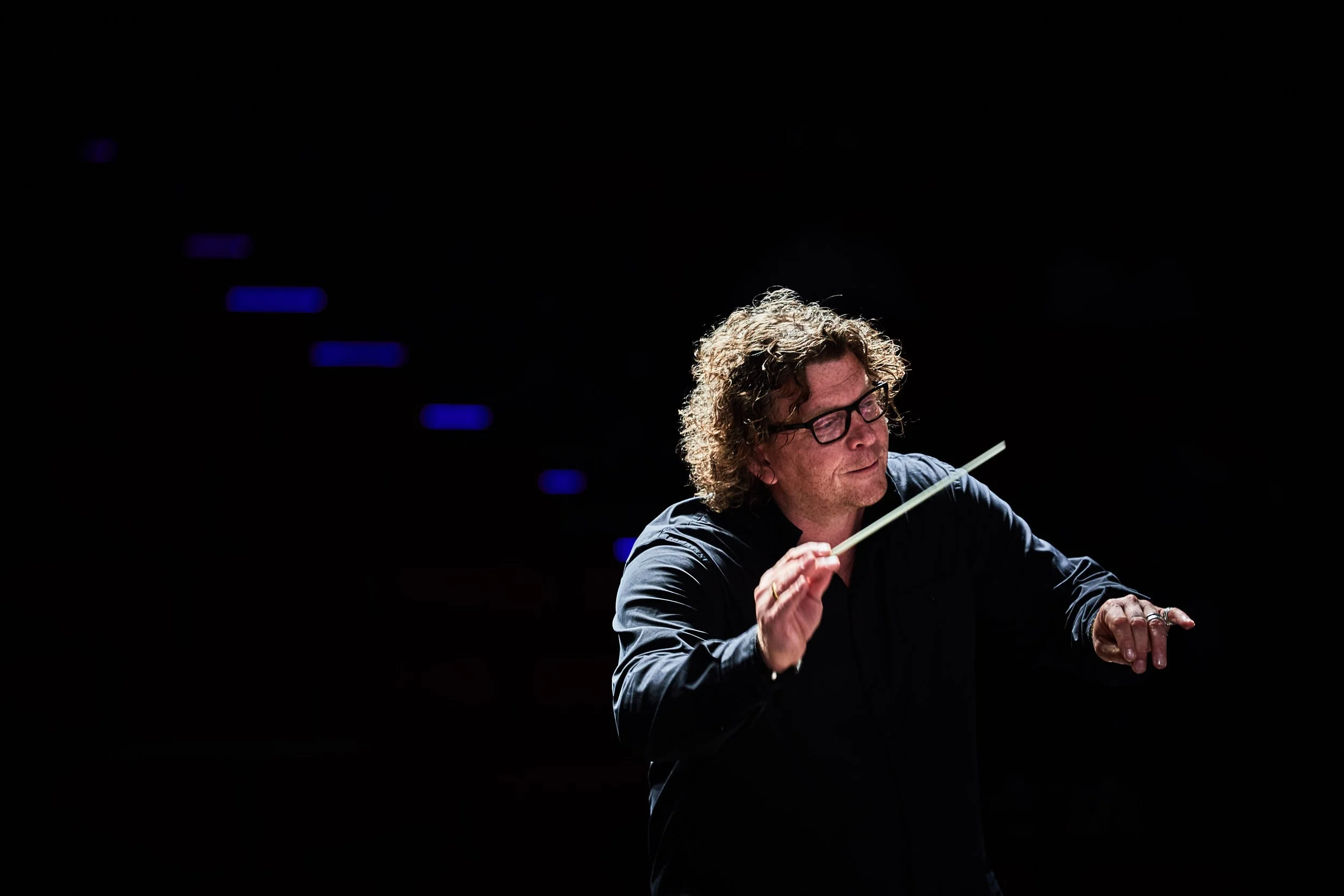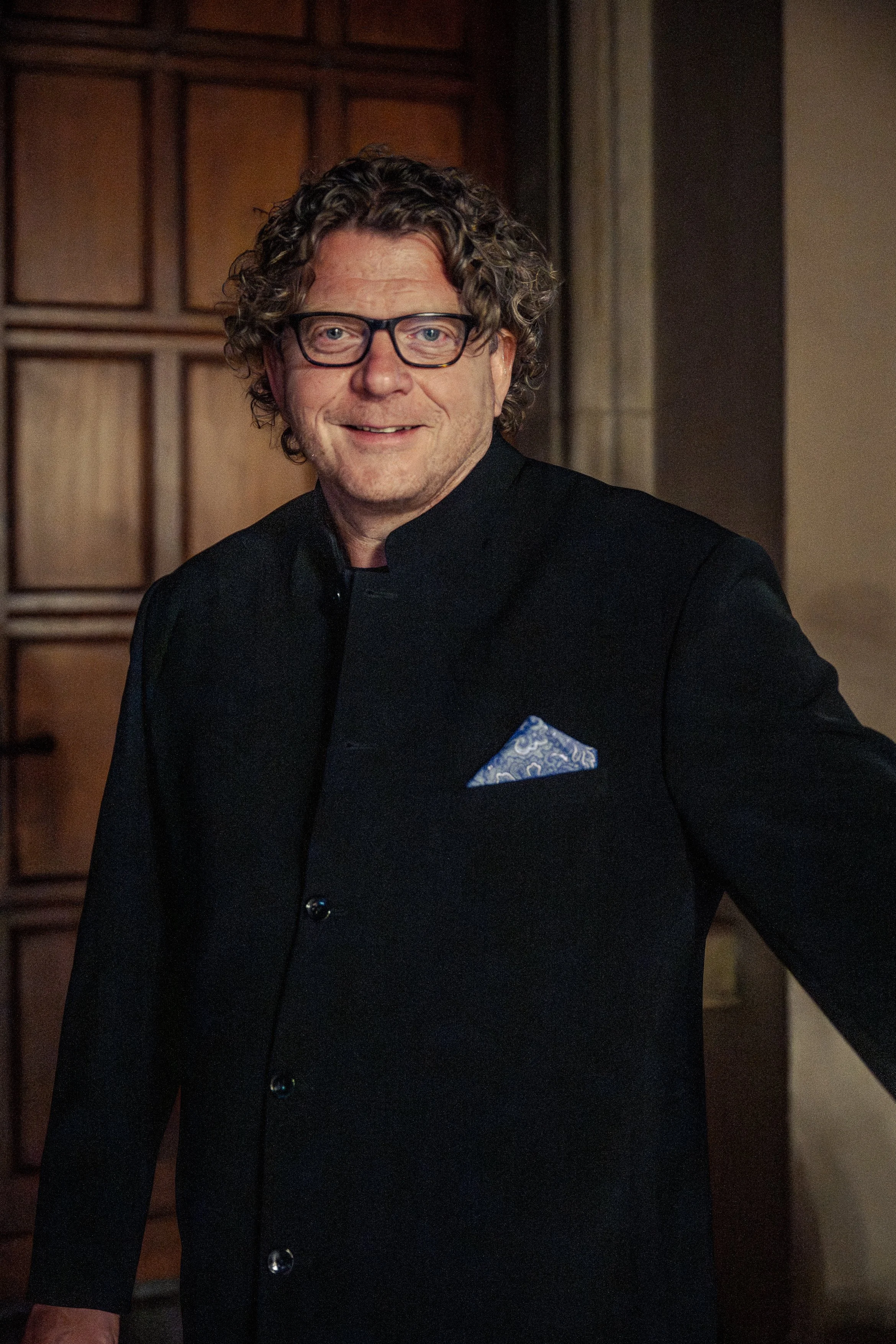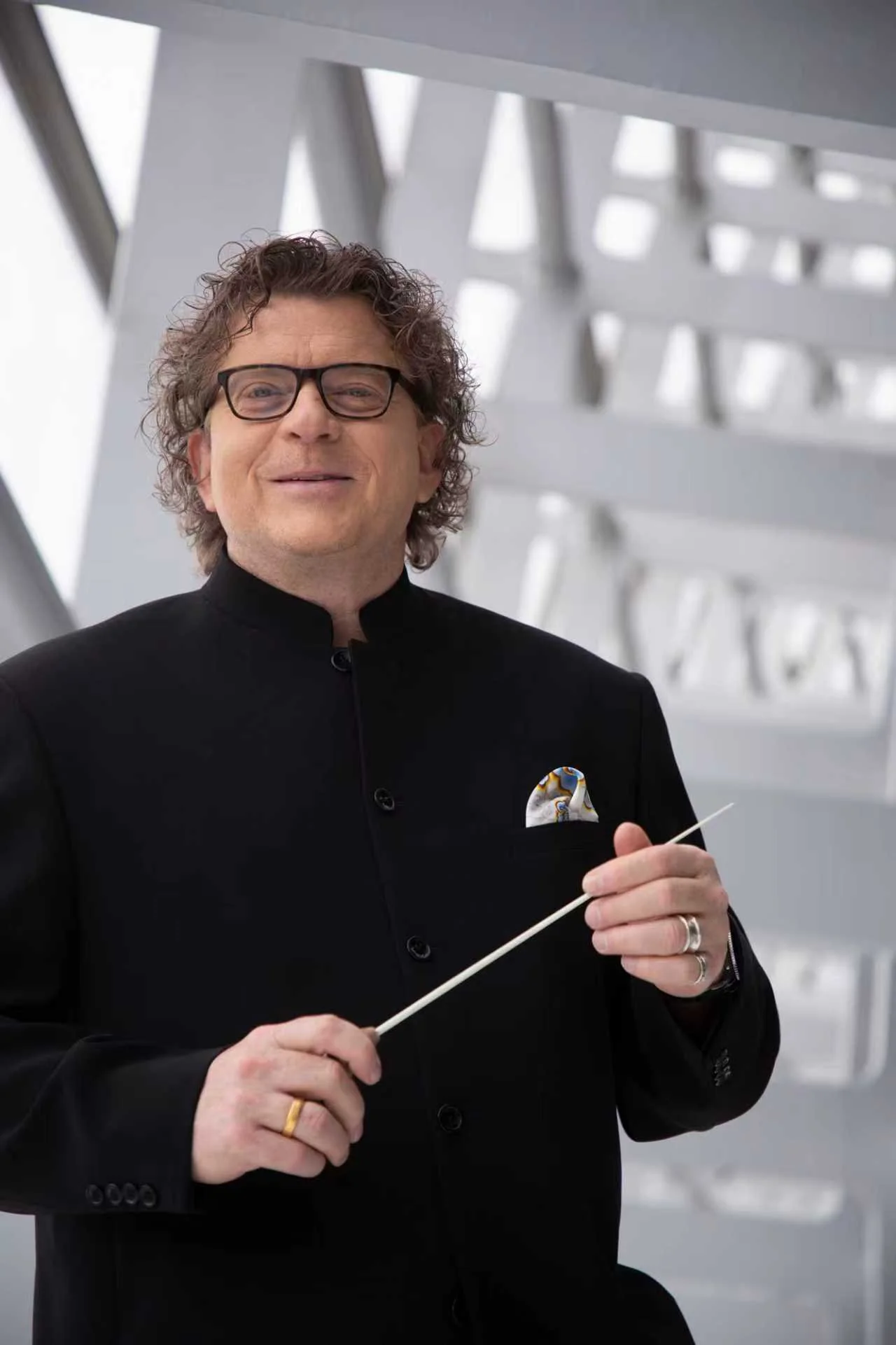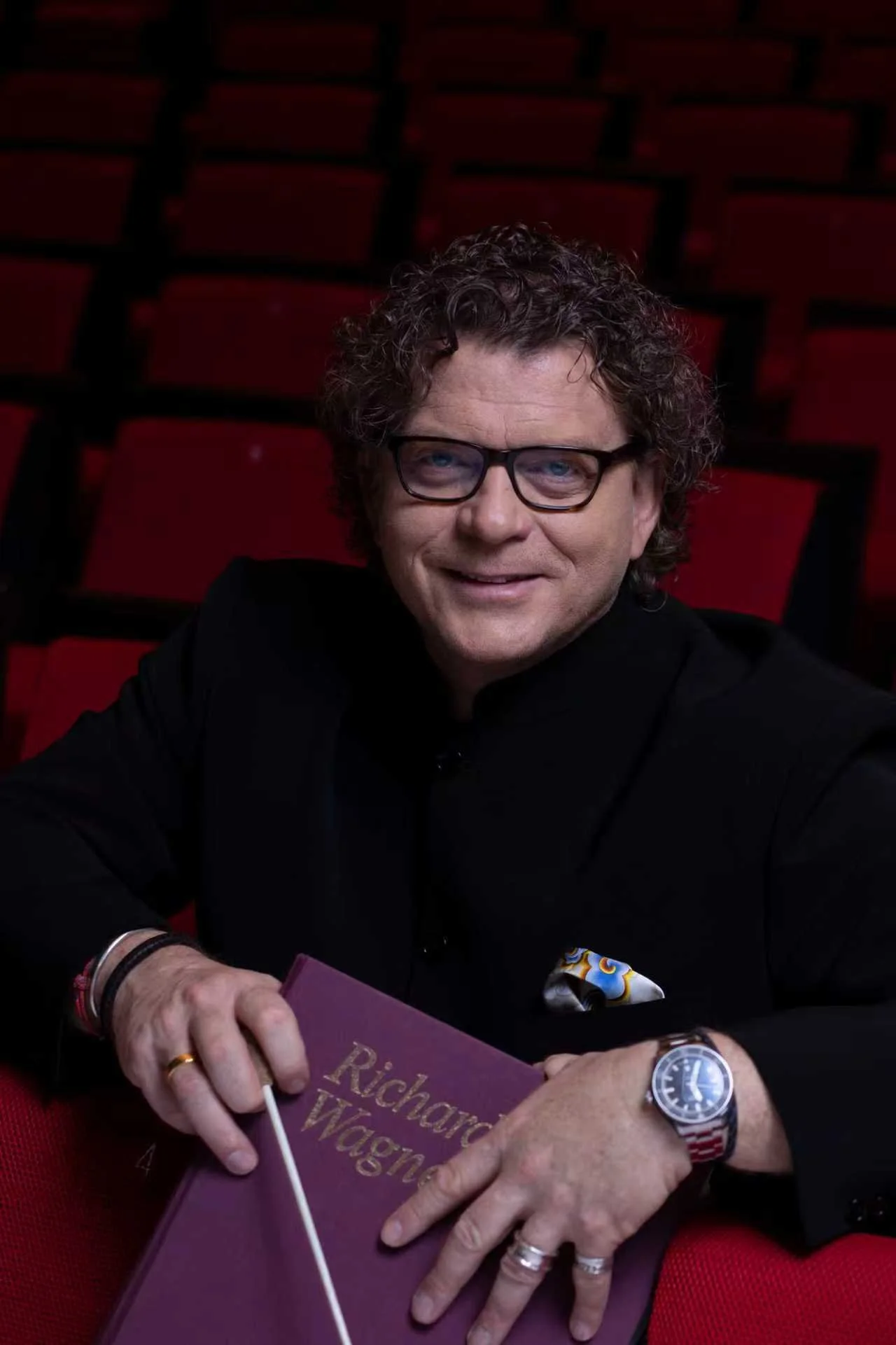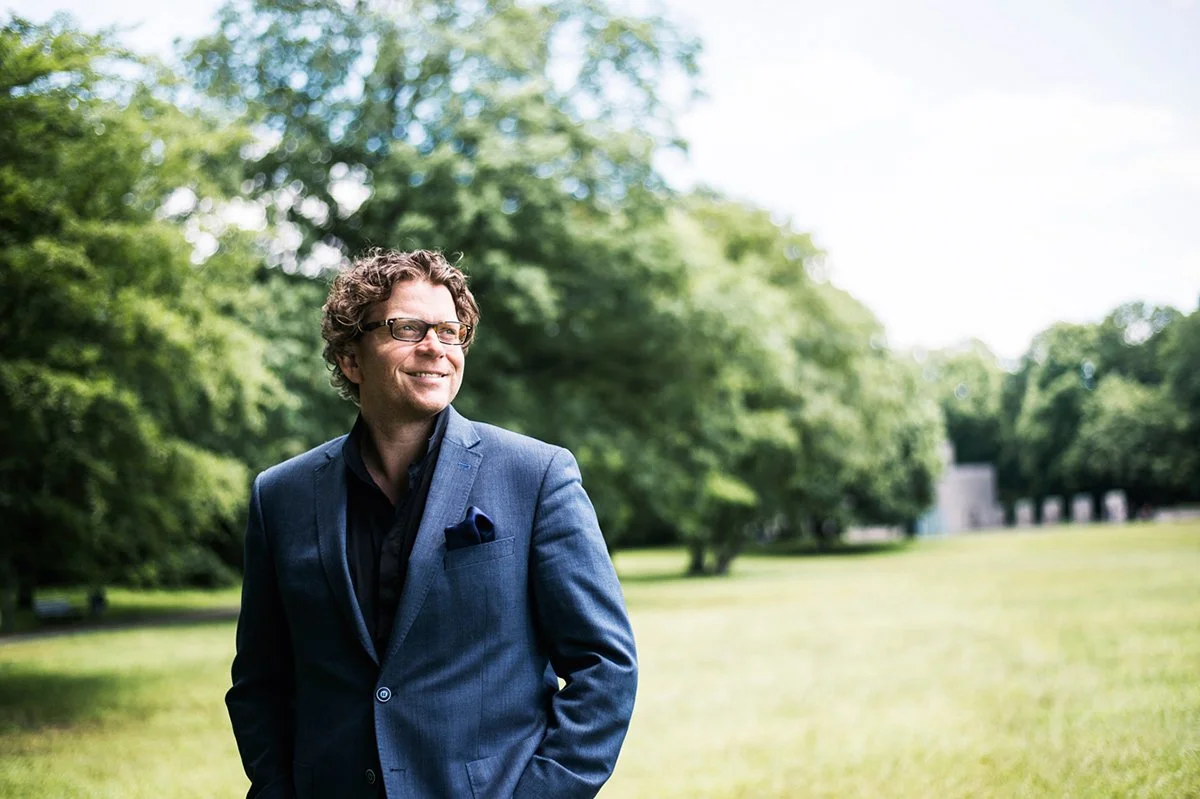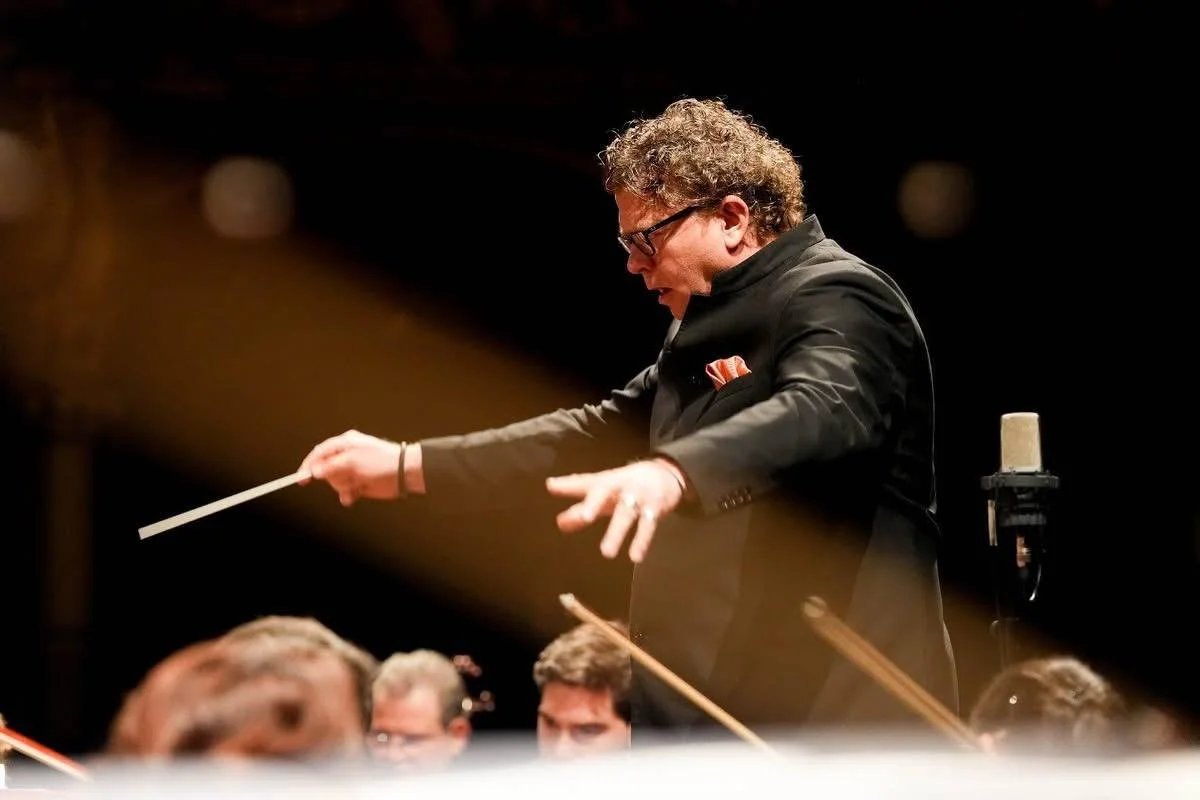
MARCUS BOSCH
Conductor
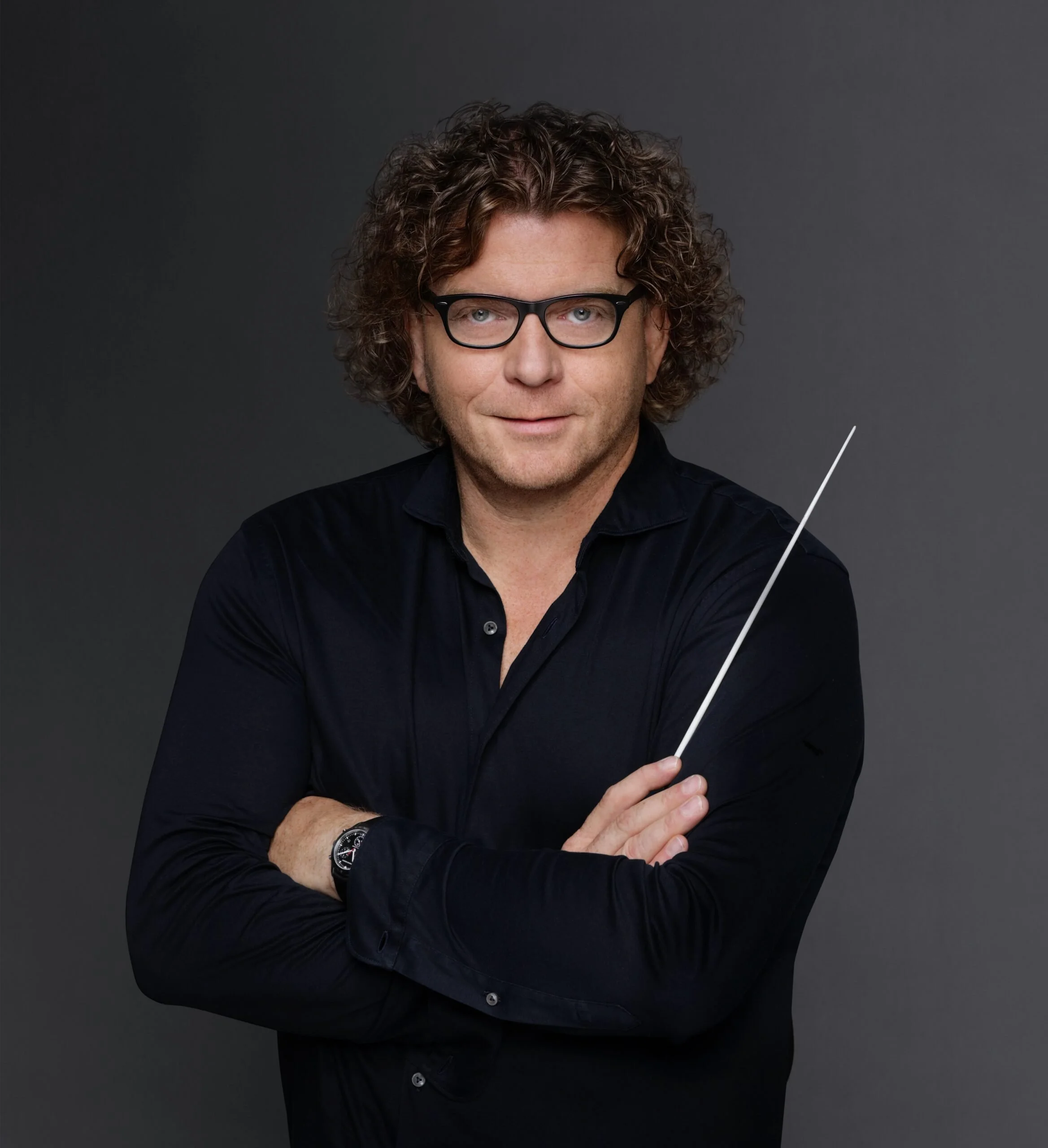


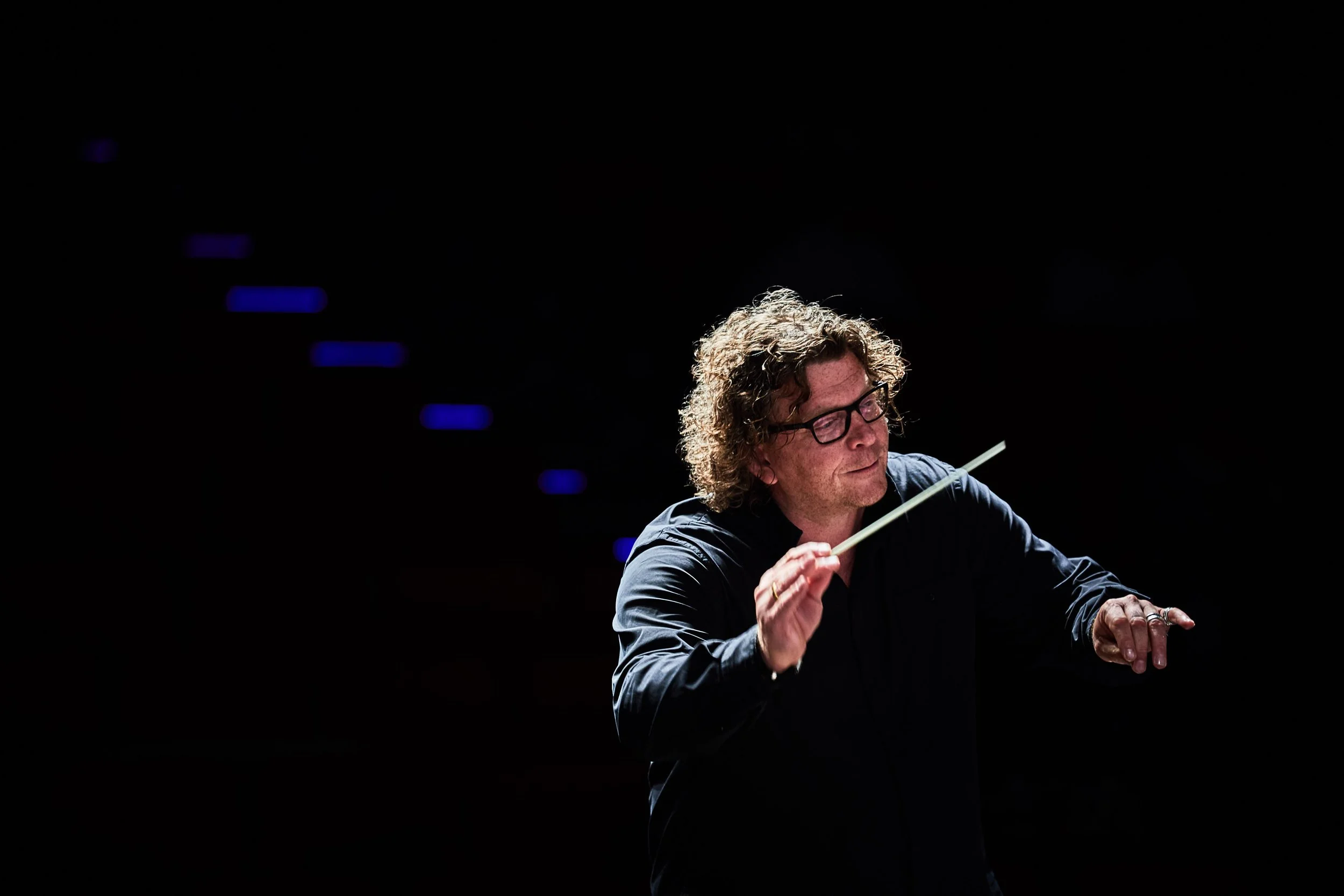
Marcus Bosch is one of the most distinguished and innovative figures on the German conducting scene, an internationally sought-after guest conductor, and the head of a highly successful conducting class. His conducting has been described as setting “a new benchmark for classical clarity and depth.”
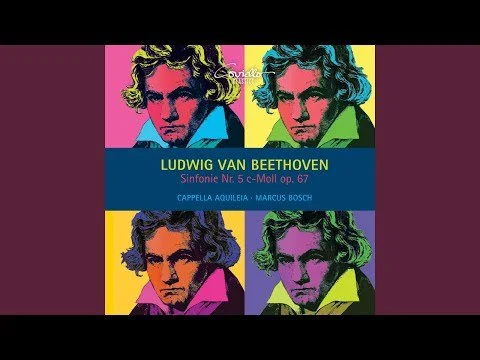
“These three CD’s have become the authoritative modern reference recordings of Beethoven’s stage music.”
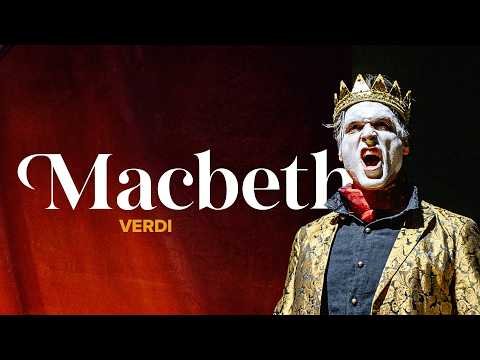
“Macbeth – A musical and theatrical highlight of Verdi interpretation.”
“The Puccini wizard.”
Born in Heidenheim an der Brenz in 1969, Bosch began his career as Kapellmeister at the state theatres of Wiesbaden, Halle, and Saarbrücken. He later served as Chief Conductor of the Kammerphilharmonie Graubünden, before being appointed General Music Director in Aachen in 2002. From 2010 to 2017, he was General Music Director of the Staatsphilharmonie Nürnberg and the Staatstheater Nürnberg. From 2018 to 2026, he served as Chief Conductor of the Norddeutsche Philharmonie Rostock.
Since 2016, Bosch has been Professor of Conducting at the University of Music and Theatre Munich. There, he leads an internationally oriented conducting class as well as the University Symphony Orchestra. Several of his students have since taken up important positions in the international orchestral and operatic world and have received major awards.
Bosch’s hometown of Heidenheim plays a central role in his artistic work. Since 2010, he has been Artistic Director of the Heidenheim Opera Festival, which under his leadership has developed into an internationally recognised opera and classical music festival. In 2025, the festival received the OPER! AWARD as “Best Festival”.
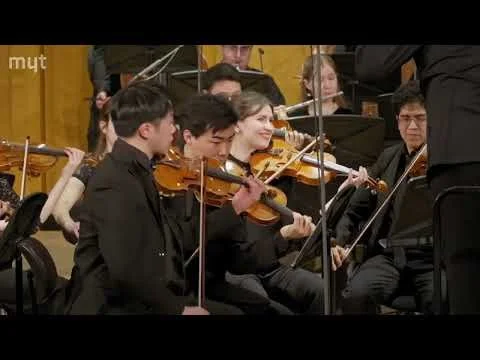
A cornerstone of this success is Cappella Aquileia, the orchestra founded by Bosch. The ensemble combines historically informed performance practice with modern orchestral precision and is dedicated both to rarely performed works and to the core operatic and concert repertoire. A particular focus lies on the chronological exploration of Giuseppe Verdi’s early operas. Other major concert and recording projects include Beethoven’s incidental music, Schumann’s symphonies, Schubert’s "Zauberharfe", all newly edited overtures, as well as four transcribed piano sonatas.
With Cappella Aquileia, Bosch received the Opus Klassik in the category “Opera Recording of the Year” in 2021 for Benda’s "Medea" and again in 2025 for Verdi’s "Giovanna d’Arco".
This artistic approach is also reflected in Bosch’s extensive discography. His recordings of the Bruckner and Brahms symphonies, as well as the Verdi series, have attracted particular international attention. In Nuremberg, he also completed a recording of the complete symphonies and symphonic poems of Antonín Dvořák. Gramophone praised the Beethoven recordings with Cappella Aquileia as authoritative modern reference recordings of his incidental music.
Anton Bruckner represents a major focus in Bosch’s artistic work. In 2024, on the occasion of the Bruckner anniversary, Gramophone included him in a selection of ten conductors regarded as defining interpreters of Bruckner’s music.
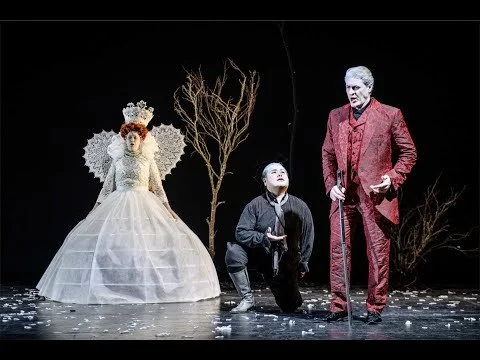
Bosch’s operatic repertoire encompasses more than 110 works, ranging from Handel, Mozart, and Beethoven through Wagner, Verdi, Puccini, and Richard Strauss to music of the 20th and 21st centuries. Landmark projects in his career include Wagner’s "Der Ring des Nibelungen", Zimmermann’s "Die Soldaten", Berlioz’s "Les Troyens" in Nuremberg, and York Höller’s "Der Meister und Margarita" at the Hamburg State Opera. Important artistic impulses in contemporary music theatre have also emerged from collaborations with Peter Konwitschny, Calixto Bieito, David Bösch, and Stéphane Braunschweig.
Bosch’s musical work combines precise knowledge of the score with a strong dramaturgical instinct. In music theatre, he sees himself as an artistic partner to the stage director and as a mediator between the work, the stage, and the audience.
Bosch has also made an important contribution to music communication and audience engagement, developing numerous new concert formats. In 2008, he conducted Richard Strauss’s "Salome" in Aachen in what became the world’s first freely accessible live internet broadcast of an opera. In 2012, Wagner’s "Tristan und Isolde" in Nuremberg became the first opera premiere to be broadcast live to cinemas. He has also conducted the Nuremberg Klassik Open Air on several occasions, the largest classical music event in Europe. Deutschlandfunk Kultur described him as a “Hör-Verführer”, a “seducer of the ear”.
As a guest conductor, Bosch has worked with more than 100 orchestras and at numerous opera houses and concert institutions worldwide. His engagements have included the Semperoper and the Staatskapelle Dresden, the Deutsche Oper Berlin, the Deutsches Symphonie-Orchester Berlin, the Rundfunk-Sinfonieorchester Berlin, the Radio-Sinfonieorchester Stuttgart, and the Orchestre national de Lyon. In music theatre, he has appeared in cities including Beijing, Gothenburg, Basel, Verona, and Modena.
Particularly close artistic relationships connect him with the Hamburg State Opera, the Stuttgart Philharmonic, the Qatar Philharmonic Orchestra, the Orchestra Sinfonica Siciliana Palermo, the Orchestra Sinfonica Bellini, and the Orquesta Sinfónica de las Islas Baleares.
His upcoming projects include Wagner’s "Siegfried" in Beijing, Beethoven’s "Fideli" in Verona, Wagner’s "Die Walküre" in Seoul, as well as several projects in Palermo.
Since the organisation was founded in 2012, Bosch has served as Chairman of the Conference of General Music Directors and Chief Conductors. In this role, he advocates for the interests of the profession and for the continued development of the role of General Music Director and Chief Conductor.
Bosch’s artistic achievements have received numerous awards and international recognition.
His profile is not defined by a single specialisation, but rather by broad stylistic openness and a willingness to engage deeply and repeatedly with new works, challenges, and artistic contexts. Baroque, Classical, Wagner and Verdi, Bruckner and Brahms, contemporary music theatre, and innovative concert formats together form a broad artistic spectrum.
At the heart of all these activities lies the musical substance itself: the precise exploration of the score, the development of a distinctive orchestral sound, the shaping of large-scale dramatic arcs, and direct communication with the audience.
Marcus Bosch thus stands for a conducting personality who combines musical authority with curiosity, institutional vision with artistic consistency, and the ability to inspire both people and ensembles through music.
Felsner Artists represents Marcus Bosch in German-speaking Europe, in co-operation with OnlyStage.